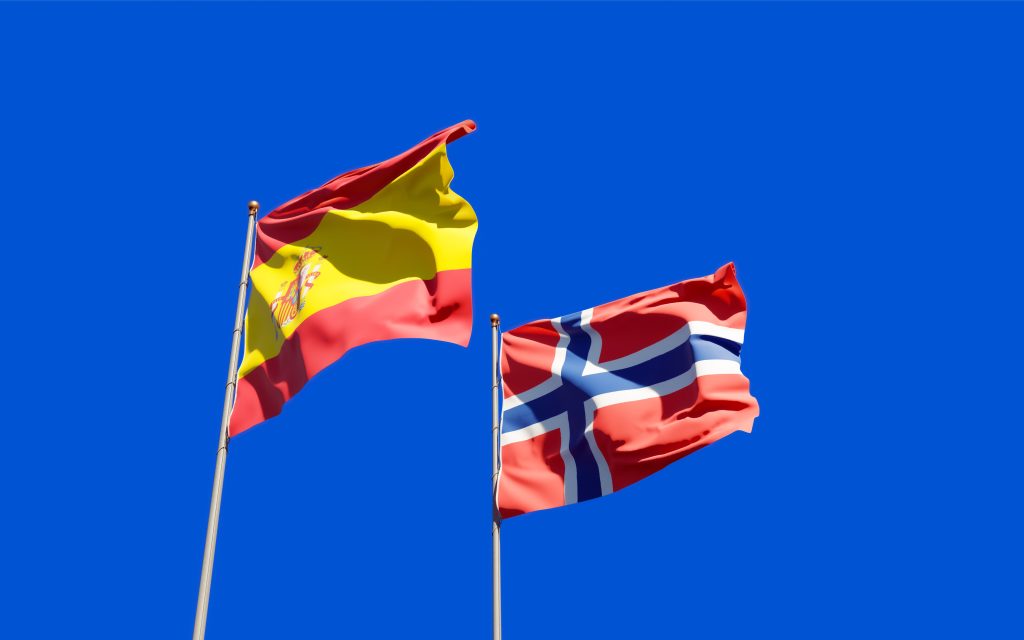
A sovereign fund can recover historic dividend withholding tax (WHT) when deductions exceed its legal tax liability. In February 2021, Spain’s Supreme Court upheld Norway’s Government Pension Fund Global’s right to reclaim Spanish dividend WHT of 15%–18%. The Spanish Tax Agency (AEAT) had imposed WHT despite comparable domestic public institutions benefiting from exemptions. The recovery involved administrative refund proceedings and litigation under European capital movement rules.
What Caused the Sovereign Fund’s Historic Dividend WHT Overpayment?
Norway’s Government Pension Fund Global (GPFG) is a sovereign investment fund managed by Norges Bank. It invests Norway’s public wealth across international markets, including European listed equities. Its objective is to preserve and grow public wealth for future generations.
During the period examined by the Spanish courts, GPFG received dividends from Spanish listed companies. Spain deducted non-resident dividend WHT at rates of 15% or 18%, depending on the payment period.
The dispute concerned differences between domestic and foreign public institutions. Spanish public bodies, including institutions managing social security reserves, benefited from domestic tax exemptions. GPFG performed comparable public investment functions but could not access the same treatment.
Consequently, the Norwegian fund faced a higher tax burden than comparable Spanish institutions. Norges Bank challenged this treatment under European rules protecting the free movement of capital.
Why Did the Sovereign Fund Challenge the WHT?
The central question was whether Spain could tax a foreign sovereign institution while exempting comparable domestic public bodies.
Article 9 of Spain’s former Corporate Income Tax Law exempted certain public institutions, including social security management entities. Norges Bank argued that GPFG performed functions comparable to those of Spain’s Social Security Reserve Fund. Both institutions managed public assets for long-term financial purposes.
The Spanish authorities disputed this comparison. They argued that differences in institutional structure and investment strategy justified separate tax treatment. They also questioned whether European capital movement protections applied to sovereign investment activities.
The courts examined the institutions’ objectives, ownership, management and investment activities. They found that organisational differences did not justify the additional tax burden imposed on GPFG.
Importantly, the dispute extended beyond the Spain–Norway double taxation agreement. Norges Bank argued that European non-discrimination principles supported an exemption beyond the treaty’s reduced dividend rate.
How Did the Sovereign Fund Pursue Its Historic WHT Recovery?
The recovery involved administrative proceedings and several judicial appeals. The institutions included the AEAT, Spain’s Central Economic-Administrative Tribunal, the National High Court and the Supreme Court.
The dispute concerned Spanish dividends paid during 2008. The AEAT issued provisional tax assessments for the second and fourth quarters of that year. Norges Bank challenged these assessments on behalf of GPFG.
The contested amounts were €642,591.17 and €2,375,097.20, respectively. Together, they represented approximately €3.02 million in the relevant proceedings. These figures reflect the disputed assessments, not independently verified cash repayments.
On 7 February 2019, Spain’s National High Court ruled in favour of the fund. It annulled the contested administrative decisions and recognised the right to repayment. The ruling also provided for interest from the tax payment dates until reimbursement.
The Spanish state appealed the decision. On 24 February 2021, the Supreme Court issued judgment 253/2021. It rejected the state’s position and upheld the finding of discriminatory taxation.
The ruling confirmed that Spain could not deny exemption solely because GPFG operated under a different institutional structure. The fund’s public investment functions were sufficiently comparable to those of the relevant Spanish institutions.
Why Was the Supreme Court’s Decision Important for Sovereign Fund WHT Recovery?
The judgment clarified how European capital movement protections apply to sovereign investment institutions.
Article 63 of the Treaty on the Functioning of the European Union restricts unjustified barriers to capital movements. These protections extend beyond transactions between EU Member States. Article 40 of the European Economic Area (EEA) Agreement provides corresponding protections within the EEA.
Spain’s Supreme Court recognised that sovereign investment activities could benefit from these provisions. Government ownership did not automatically exclude financial investments from European capital movement protections.
The court also considered differences between the funds’ investment strategies. GPFG invested in listed equities, while Spain’s Social Security Reserve Fund pursued a more conservative investment policy. These differences did not justify unequal taxation.
The ruling demonstrated that sovereign fund WHT recovery can extend beyond bilateral treaty relief. Domestic exemptions may create additional repayment rights where comparable foreign investors face unjustified discriminatory treatment.
Which Documentation Supports a Sovereign Fund’s Historic WHT Claim?
The Norges Bank case highlights the importance of demonstrating legal status, investment purpose and institutional comparability.
A sovereign investor should establish its public ownership, statutory objectives and management arrangements. These records help identify the entity legally entitled to claim the relevant exemption. They also clarify whether a central bank or separate investment manager administers the assets.
Dividend records must substantiate the amounts subject to WHT. Custodian statements, payment confirmations and WHT certificates establish gross distributions and deductions. Transaction histories also help reconcile payments across multiple custodians.
For Spanish securities, the AEAT may require evidence linking the underlying investor to each dividend. Its published Modelo 210 instructions address supporting documentation and custody-chain traceability.
Claims based on discriminatory taxation require additional evidence. Investors must demonstrate their comparability with domestic institutions receiving preferential treatment. Public ownership alone may not establish sufficient similarity.
The supporting documents should therefore address both the investor’s legal classification and the relevant dividend transactions.
How Does Beneficial Ownership Affect the Recovery?
Beneficial ownership is distinct from sovereign status and institutional comparability. A fund’s public ownership does not automatically establish its entitlement to every dividend.
For treaty-based claims, beneficial ownership can determine eligibility for reduced rates or exemptions. Supporting evidence may include securities holding records, investment mandates and contractual income rights. Custody agreements can also clarify the role of financial intermediaries.
In the Norges Bank proceedings, discriminatory taxation was the principal legal issue. The Supreme Court focused on GPFG’s investment activities and its comparability with exempt Spanish institutions. The judgment did not principally concern a disputed treaty beneficial ownership finding.
However, beneficial ownership remains relevant when applying similar recovery strategies elsewhere. Securities lending, nominee arrangements and financing transactions may affect the identity of the entitled claimant.
Investors should therefore distinguish evidence of sovereign status from evidence establishing ownership of the dividend income.
What Does the Case Mean for Historic Claims and Current Regulations?
The 2021 judgment provides an important precedent for sovereign investors examining historic WHT deductions.
However, it does not establish automatic exemptions for every foreign sovereign fund. Recovery depends on domestic legislation, institutional comparability and the applicable legal protections. Authorities may also examine whether different treatment has an objective justification.
The recovery process varies by jurisdiction and payment year. In Spain, non-residents can generally request refunds of excess dividend WHT through applicable administrative procedures. Modelo 210 may serve as the relevant route for certain claims.
More complex disputes can require administrative appeals or litigation. This is particularly relevant when the claim relies on European non-discrimination principles rather than straightforward treaty relief.
The AEAT’s current guidance generally applies a four-year limitation framework to eligible refund claims. The starting date depends on the applicable filing rules. Investors must also establish whether earlier proceedings affected their limitation periods.
The Norges Bank judgment does not reopen claims whose statutory deadlines have already expired. Each historic dividend requires an individual assessment of entitlement and procedural eligibility.
Current EU transparency and anti-abuse requirements also reinforce the importance of accurate documentation. Sovereign investors should assess the rules applicable to each payment before extending historic court findings to future distributions.
What Was the Outcome of the Sovereign Fund’s WHT Recovery Case?
Spain’s Supreme Court upheld GPFG’s right to relief from discriminatory dividend taxation. The court found that Spain’s treatment of the Norwegian fund breached European capital movement protections.
The National High Court had already recognised the fund’s right to repayment and late-payment interest. The Supreme Court upheld the legal reasoning supporting that decision.
The judgment represented a significant judicial recovery outcome for the sovereign investor. However, the published decision does not independently confirm the final cash settlement or payment date.
The case demonstrated that sovereign investors may have repayment rights beyond those expressly provided by tax treaties. European non-discrimination principles can establish additional protection where comparable domestic institutions receive more favourable treatment.
The decision also reinforced the importance of examining institutional functions rather than relying solely on legal structure. Differences in investment strategy do not automatically justify unequal dividend taxation.
How Does Global Tax Recovery Support Historic Sovereign Fund WHT Claims?
Global Tax Recovery (GTR) is a UK-based specialist in dividend WHT recovery for institutional investors, including sovereign wealth funds. We review historic dividend deductions and assess potential treaty, statutory and non-discrimination entitlements.
Our work includes reconciling custody records, assessing beneficial ownership and reviewing investor classification. We also evaluate applicable filing deadlines and prepare supporting documentation for refund claims. Where disputes involve complex legal questions, we assess the relevant requirements and coordinate the recovery process.
We operate on a no-win, no-fee contingency model. Recovery fees become payable only following successful refunds, subject to agreed contractual terms. Neither recovery amounts nor tax authority processing periods can be guaranteed.
What Can Sovereign Investors Learn From This Historic WHT Recovery Case?
The Norges Bank litigation demonstrates that historic dividend WHT may be recoverable beyond the relief available under a bilateral treaty. Spain’s Supreme Court upheld GPFG’s entitlement to exemption from discriminatory taxation. The disputed dividends had attracted WHT of 15%–18%, while comparable domestic institutions benefited from exemption.
The judgment confirms that sovereign investment activities can receive protection under European capital movement rules. Government ownership does not automatically exclude investors from these provisions. Differences in organisational structure or investment strategy also do not necessarily justify unequal taxation.
Successful sovereign fund WHT recovery requires clear evidence of legal entitlement. Investors must substantiate their institutional classification, beneficial ownership and historic dividend deductions. Claims involving discriminatory treatment also require an assessment of comparable domestic institutions and applicable filing deadlines.
Sovereign investors should review historic deductions against source-country exemptions and relevant legal protections. They should resolve documentation gaps while custody records remain accessible and preserve claims before statutory deadlines. Where the applicable law supports repayment, excess dividend WHT should be pursued as recoverable, not accepted as an investment cost.
Frequently Asked Questions
Can a sovereign fund recover historic dividend WHT?
Yes. Sovereign funds may recover historic dividend WHT through treaty provisions, statutory exemptions or applicable non-discrimination rules. In February 2021, Spain’s Supreme Court upheld Norway’s Government Pension Fund Global’s right to refunds arising from discriminatory taxation.
What WHT rate did the sovereign fund challenge?
Norway’s Government Pension Fund Global challenged Spanish dividend WHT imposed at rates of 15%–18%. Spain’s Supreme Court confirmed that comparable domestic public institutions received more favourable treatment. The decision upheld the fund’s entitlement to exemption and repayment.
Can sovereign funds reclaim WHT when a tax treaty does not provide a 0% rate?
Yes. Domestic exemptions and European non-discrimination principles may establish repayment rights beyond bilateral treaty provisions. The Norges Bank judgment confirmed that European capital movement protections could support an exemption for a qualifying sovereign investor.
What documents are required for a sovereign fund WHT recovery claim?
Sovereign fund WHT claims generally require proof of legal identity, institutional status, beneficial ownership and dividend deductions. Where discriminatory treatment forms the basis of recovery, investors may also need evidence establishing comparability with exempt domestic institutions.
How does Global Tax Recovery assist sovereign funds with WHT recovery?
Global Tax Recovery (GTR) reviews historic dividend deductions, assesses recovery entitlements and prepares supporting documentation for sovereign fund WHT claims. We operate on a no-win, no-fee contingency model, with fees payable only following successful refunds under agreed contractual terms. Recovery amounts and processing timelines cannot be guaranteed.